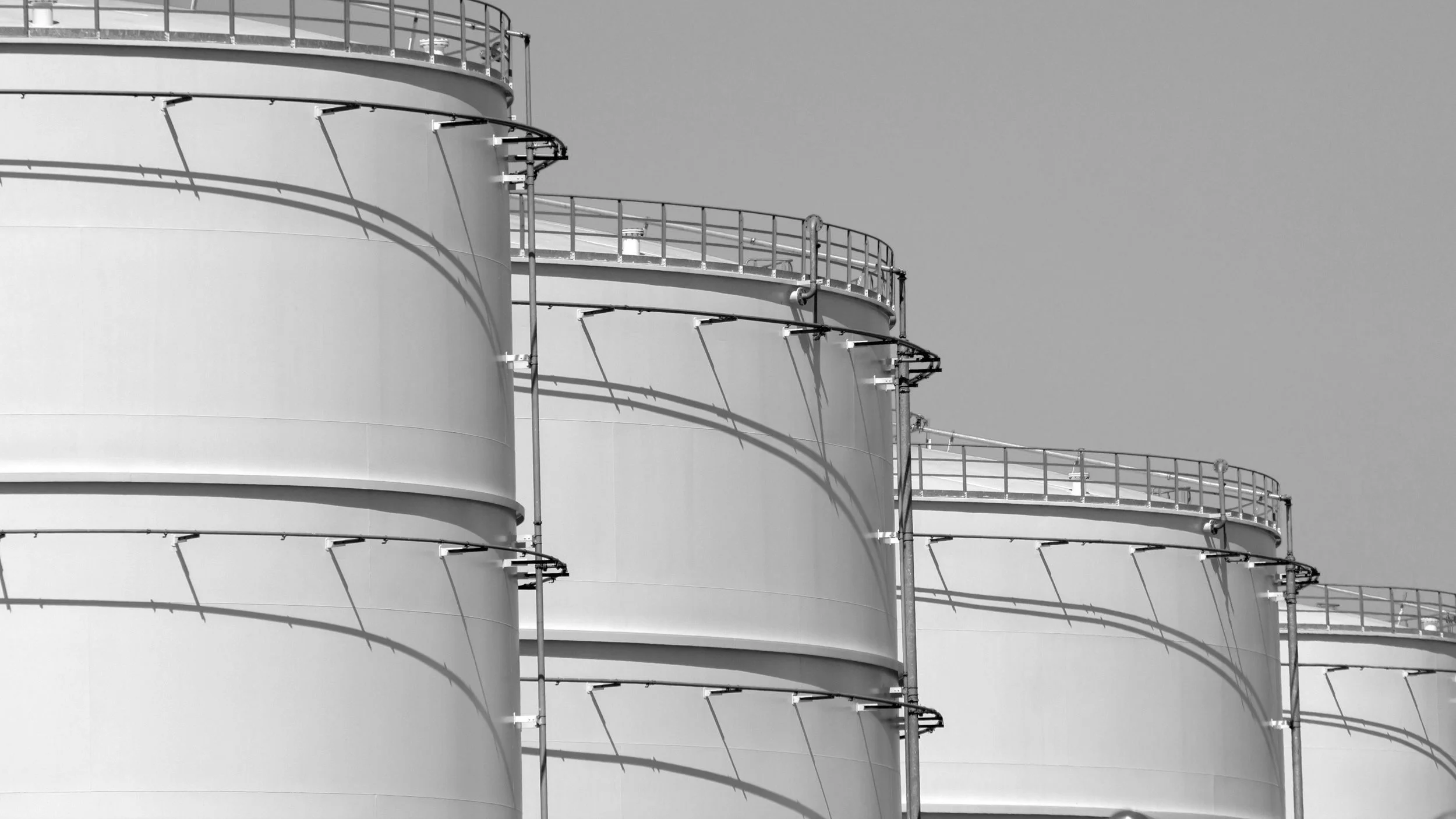
Gasoline storage tank bottoms—or “heels” that could be up to 3’ of product or even as much as 3/4 million gallons—occasionally need to be transferred to another tank to prepare it for cleaning, repairs, or to empty it of contaminated product. In the past, diaphragm pumps with a gasoline powered or air operated motor were used to complete the task. Those who used these diaphragm pumps ran into issues when humidity would cause the compressed air to freeze and stop the air operator.
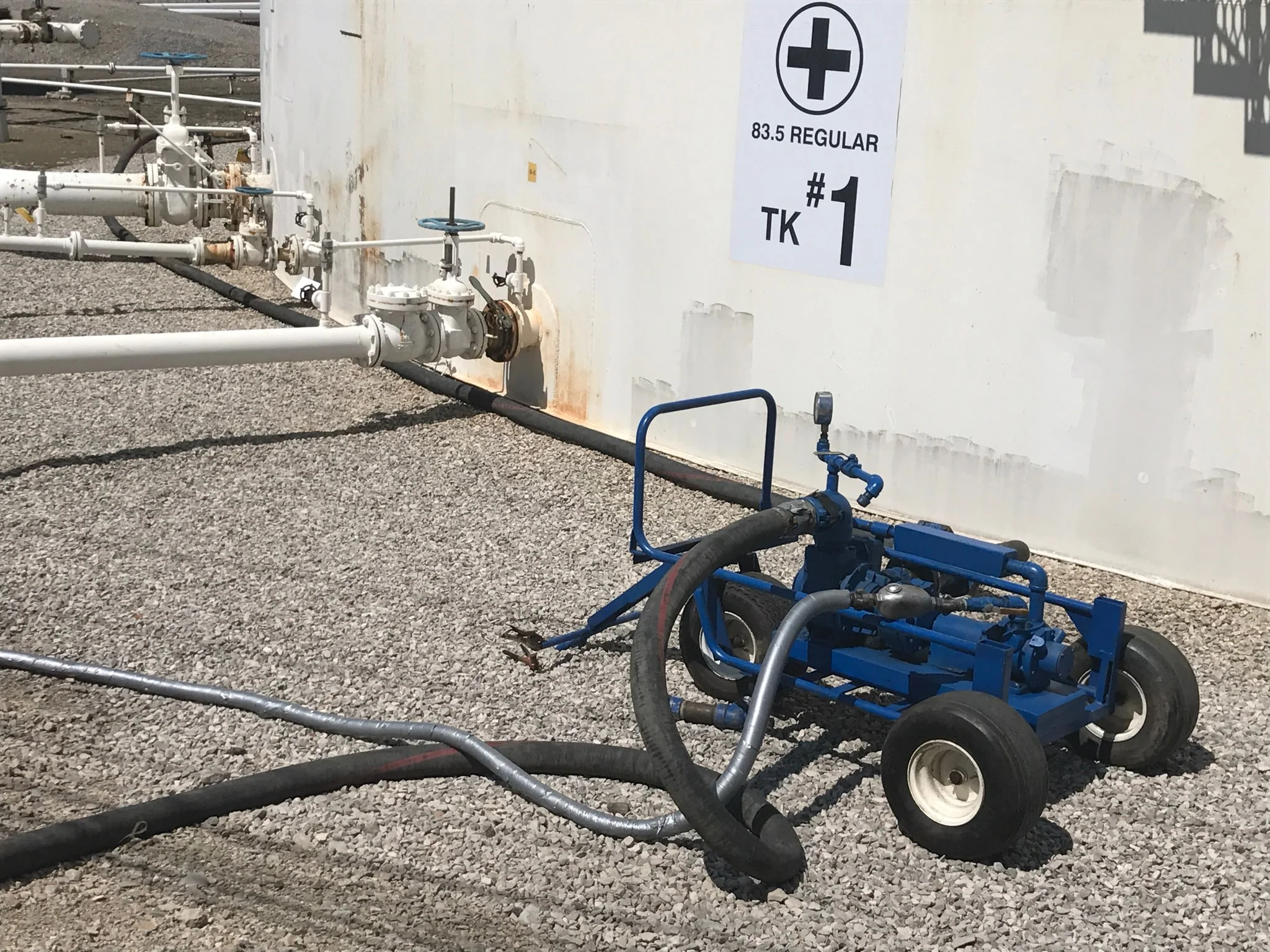
Pneu Magna Transfer has developed a bonded (grounded) pump that is fast, efficient, and safe (no source of ignition).
Fast
Unlike traditional pumps, the consistent suction minimizes the possibility of a vortex which pulls air and slows down the pump rate. With up to 13,000 gallons per hour or more, bonded pumps are considerably faster than traditional diaphragm pumps.
Efficient
Since out of service tanks generate no revenue, customers expect the most efficient transfer possible. Product can be pumped out evenly, constantly, and almost completely due to consistent suction.
The pump has a compressed air rotary motor that turns the pump at a ratio rate that is set best for power and optimal efficiency. This is critical when pumping into a storage tank of gasoline with 40’ of product and a head pressure of about 13 lbs because it causes a certain amount of back pressure on the pump. It’s operated by a standard 185 CFM portable air compressor outside the dyke area and bonded. When it’s tied into the tank nozzles for transfer, the system can be pressure tested to ensure the connections are secure. The positive displacement pump can also assist in the drain down of the system when the transfer is complete.
Safe
Oil companies banned all gasoline and diesel powered pumps from being in proximity of the tanks. These pumps tend to be the most efficient, so people are left using less efficient means of transfer. Vac trucks were also used to pump out tanks, but vac systems produce an extreme amount of vapors that release into the atmosphere and cause environmental issues.
Bonded (grounded) pumps can be positioned next to the tank, and customers can feel confident knowing there’s no source of ignition. Users don’t have to worry about hose movement or “shotgunning the hose” back and forth, which jeopardizes the integrity of the hose and risks a spill to the environment and pricey replacement costs.
Have Questions?
Please call 517-404-2101 or fill out the form below to email us.